The 21st Annual Peptide Therapeutics Symposium: Propelling the Future of Peptides
Highlights in peptide therapies, AI-driven design, clinical development, delivery, and manufacturing.
Peptide News·
Symposium Highlights
Set against the backdrop of the Scripps Seaside Forum in La Jolla, CA, the 21st Annual Peptide Therapeutics Symposium gathered researchers in academia and pharma to discuss the rapid expansion of peptide-based medicines. Driven by remarkable clinical and commercial successes in metabolic disease, therapeutic peptide pipelines are experiencing an unprecedented surge in investment and clinical scope.
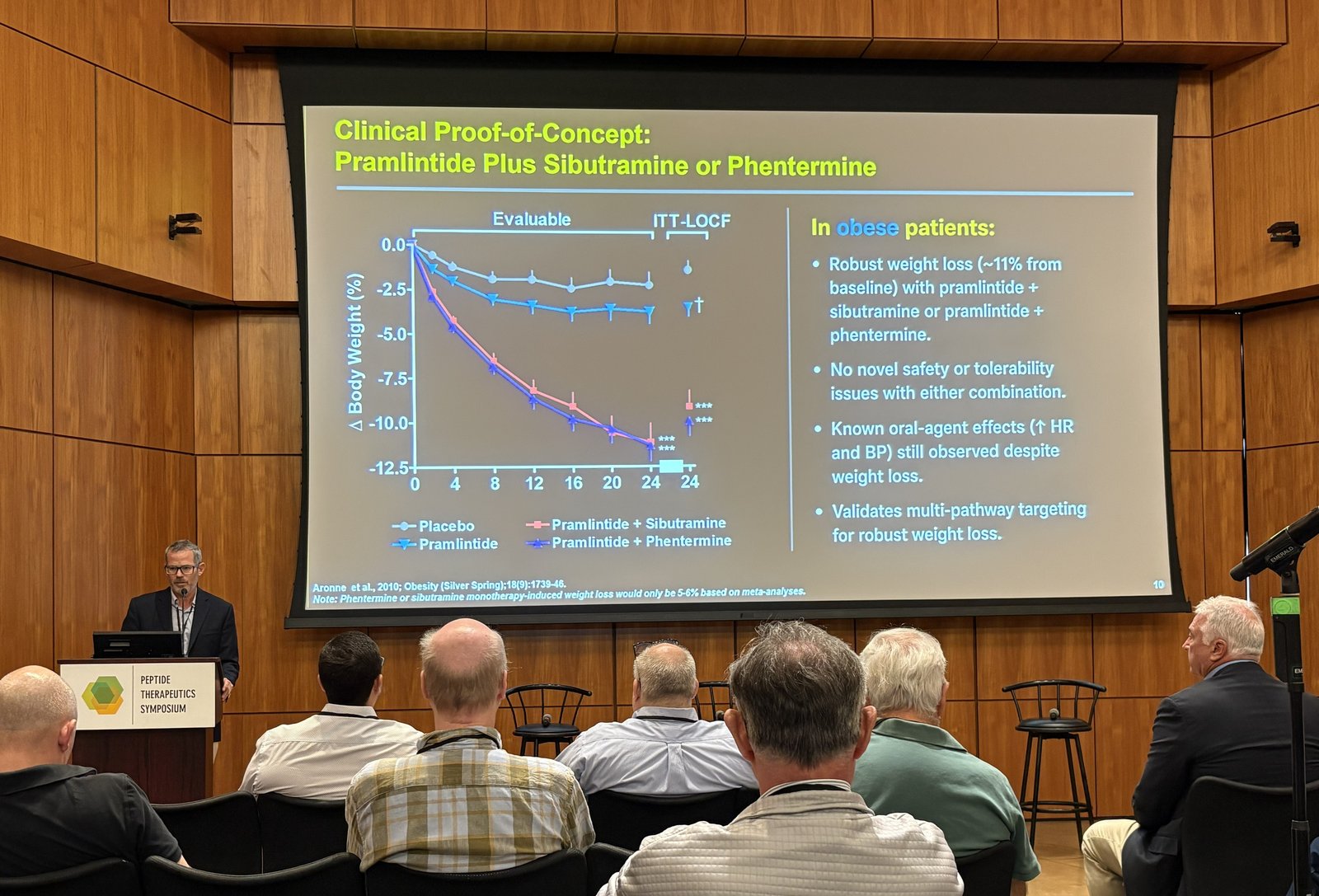
Throughout the 1.5-day program, a clear thematic narrative emerged: therapeutic candidates are rapidly evolving beyond simple, linear peptide sequences. Today’s clinical strategies center on multi-receptor polypharmacology, deep-learning-driven de novo design, non-canonical chemistries for metabolic stability, and novel drug delivery platforms.
Beyond Monotherapy: Incretin Synergies and Multi-Target Polypharmacology
Single-target metabolic therapies are giving way to multi-receptor co-agonists and multi-pathway combination regimens designed to maximize therapeutic index and disease modification.
The Incretin Paradigm Shift
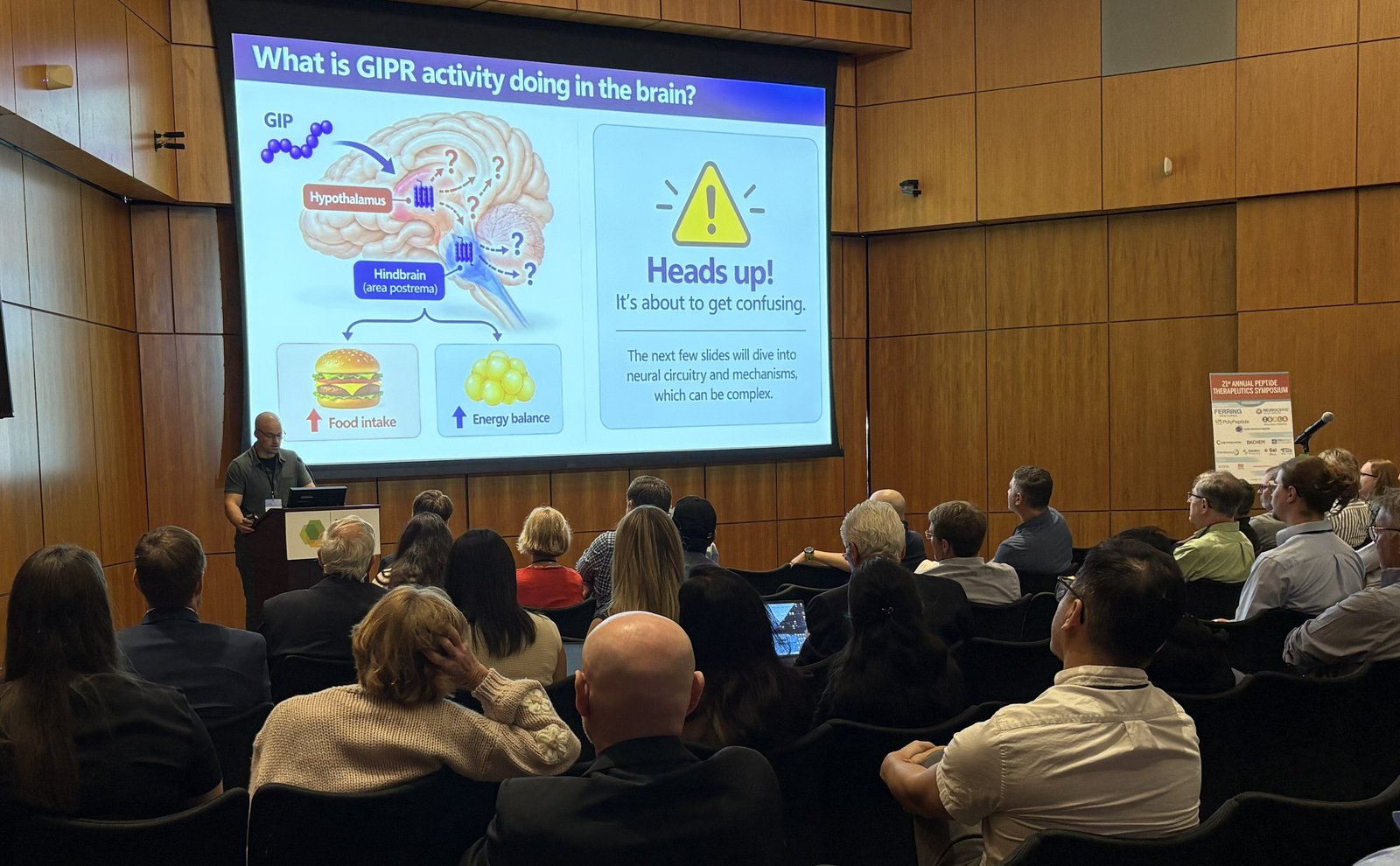
Dr. Jonathan Campbell (Duke University) revisited the foundational biology of Glucose-dependent Insulinotropic Polypeptide (GIP), highlighting how co-engaging GIP and GLP-1 pathways optimizes glycemic control and energy expenditure without causing severe hypoglycemia.
Single-Molecule Polypharmacology
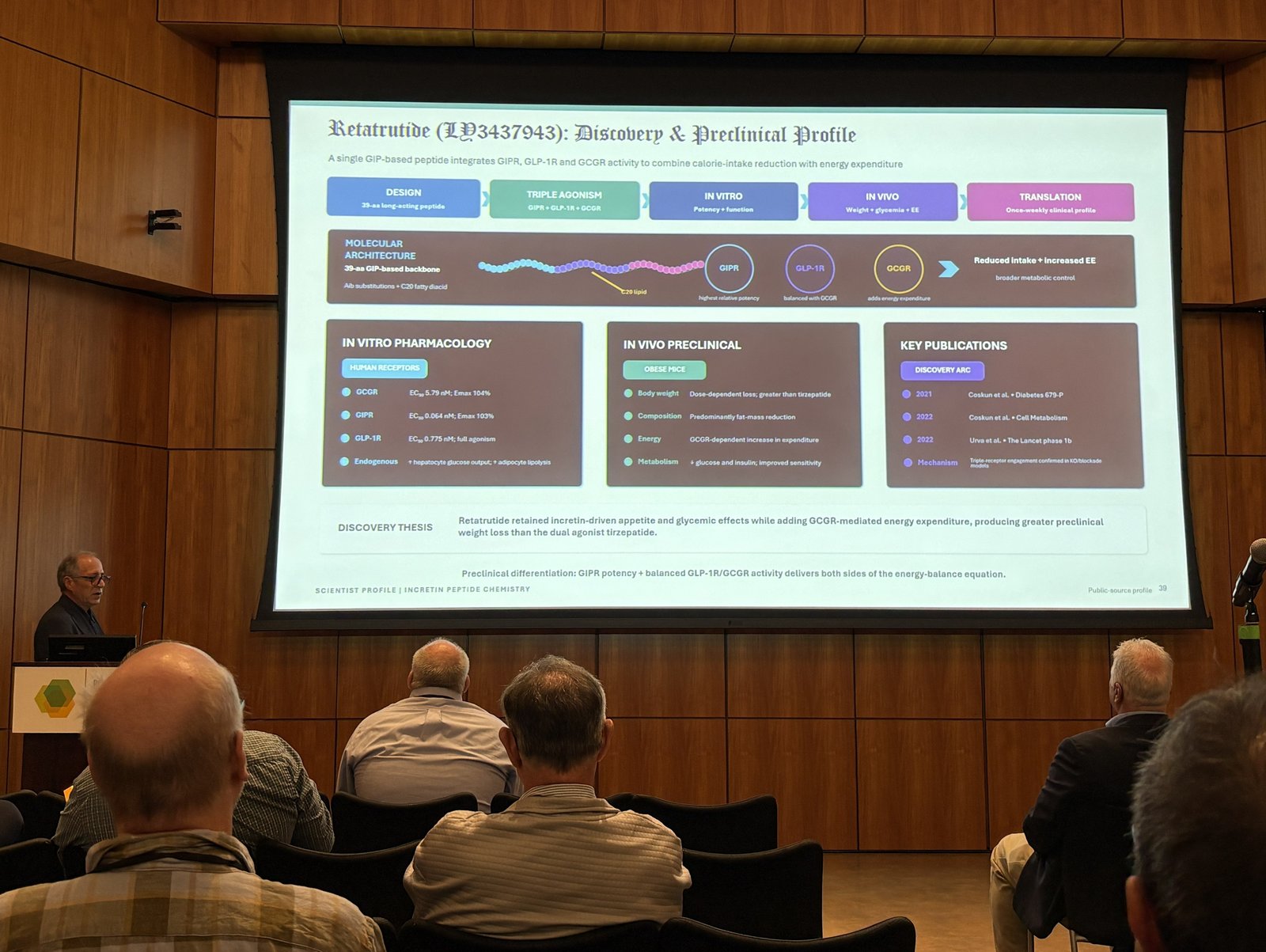
Building on this framework, Dr. Tamer Coskun (formerly of Eli Lilly & Company) detailed the clinical development of single-molecule polypharmacology, such as the dual GIP/GLP-1 agonist tirzepatide and the triple GIP/GLP-1/glucagon agonist retatrutide. He demonstrated how single-entity multi-agonists provide synchronized pharmacokinetic profiles to simplify clinical development compared to complex combination therapies.
The Amylin Therapeutic Expansion
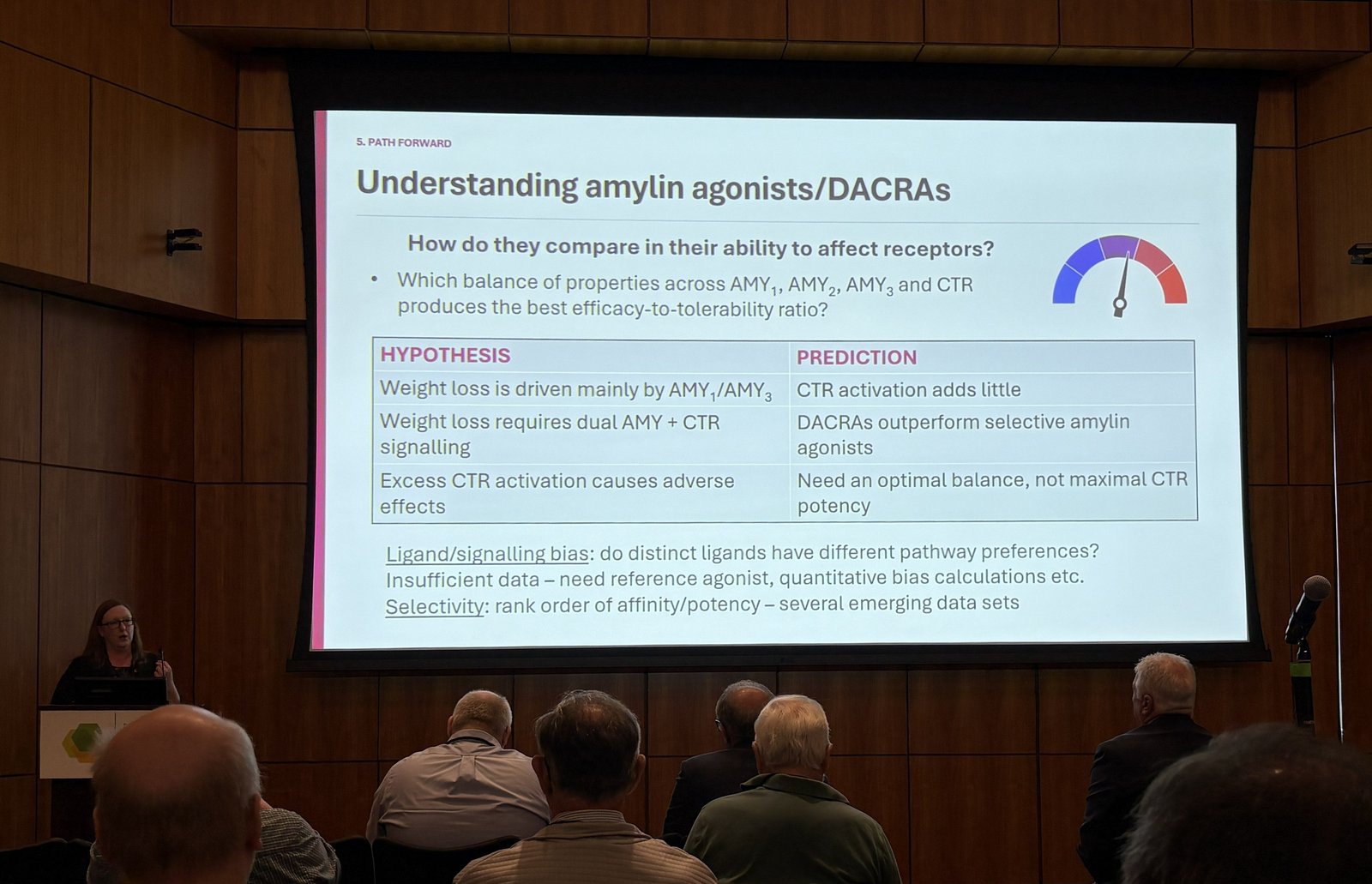
In sessions led by Dr. Debbie Hay (University of Otago) and Dr. Jonathan Roth, the focus turned to Amylin receptor pharmacology as a major lever in metabolic therapeutics. Dr. Roth presented data showing how long-acting amylin analogues act synergistically with GLP-1 therapies to restore central leptin sensitivity in the hindbrain, driving body weight reduction.
Dynamic Subunit Interaction
Dr. Hay underscored the complex architecture of these targets, detailing how Receptor Activity-Modifying Proteins (RAMPs) influence ligand selectivity and receptor trafficking, which directly impacts drug candidate optimization.
Generative AI, Non-Canonical Residues, and Constrained Macrocyclic Therapeutics
The computational drug design sessions highlighted how artificial intelligence is transforming hit-to-lead optimization and expanding the druggable space for peptide therapeutics.
All-Atom Deep Learning for Hard Targets
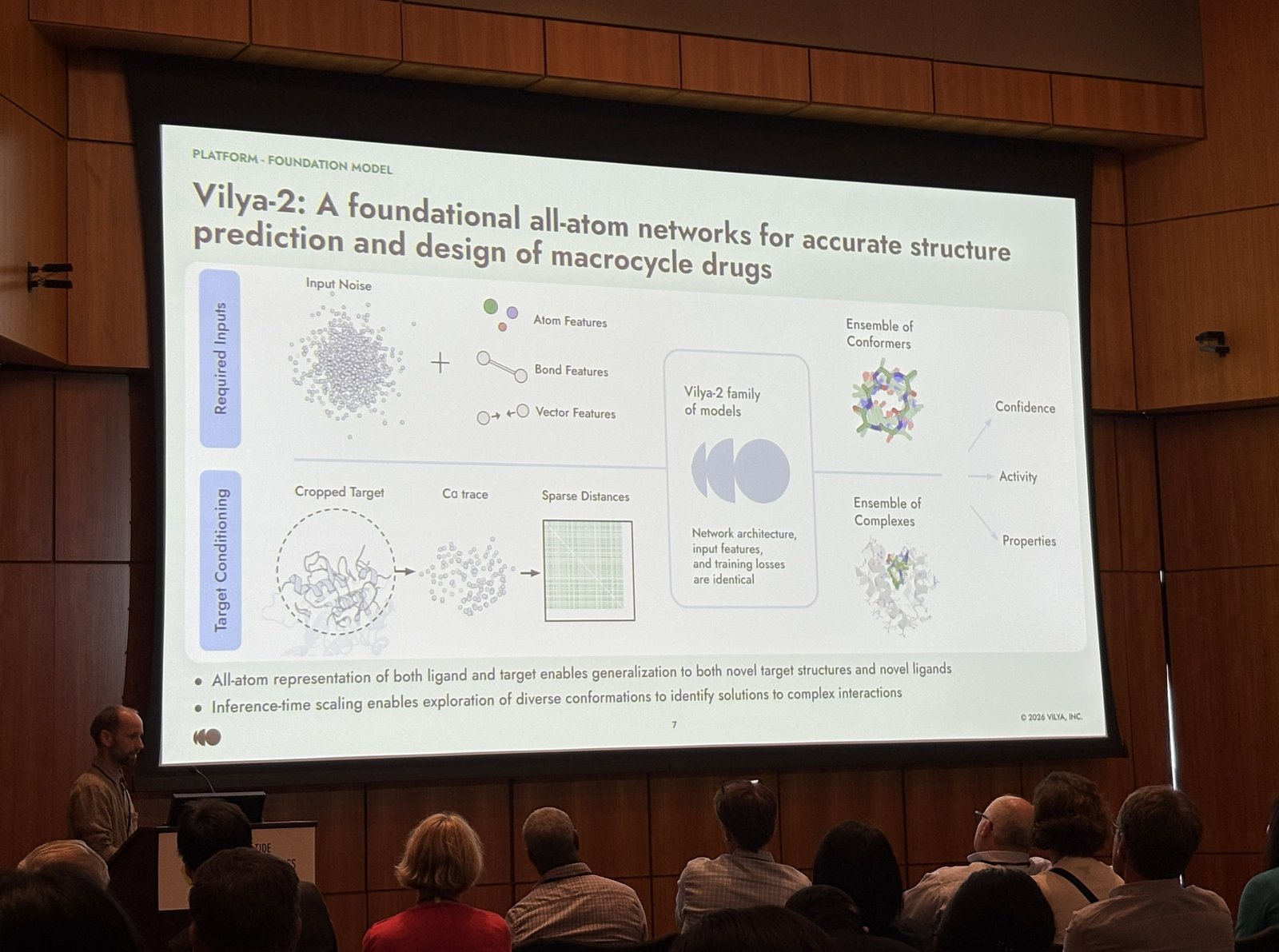
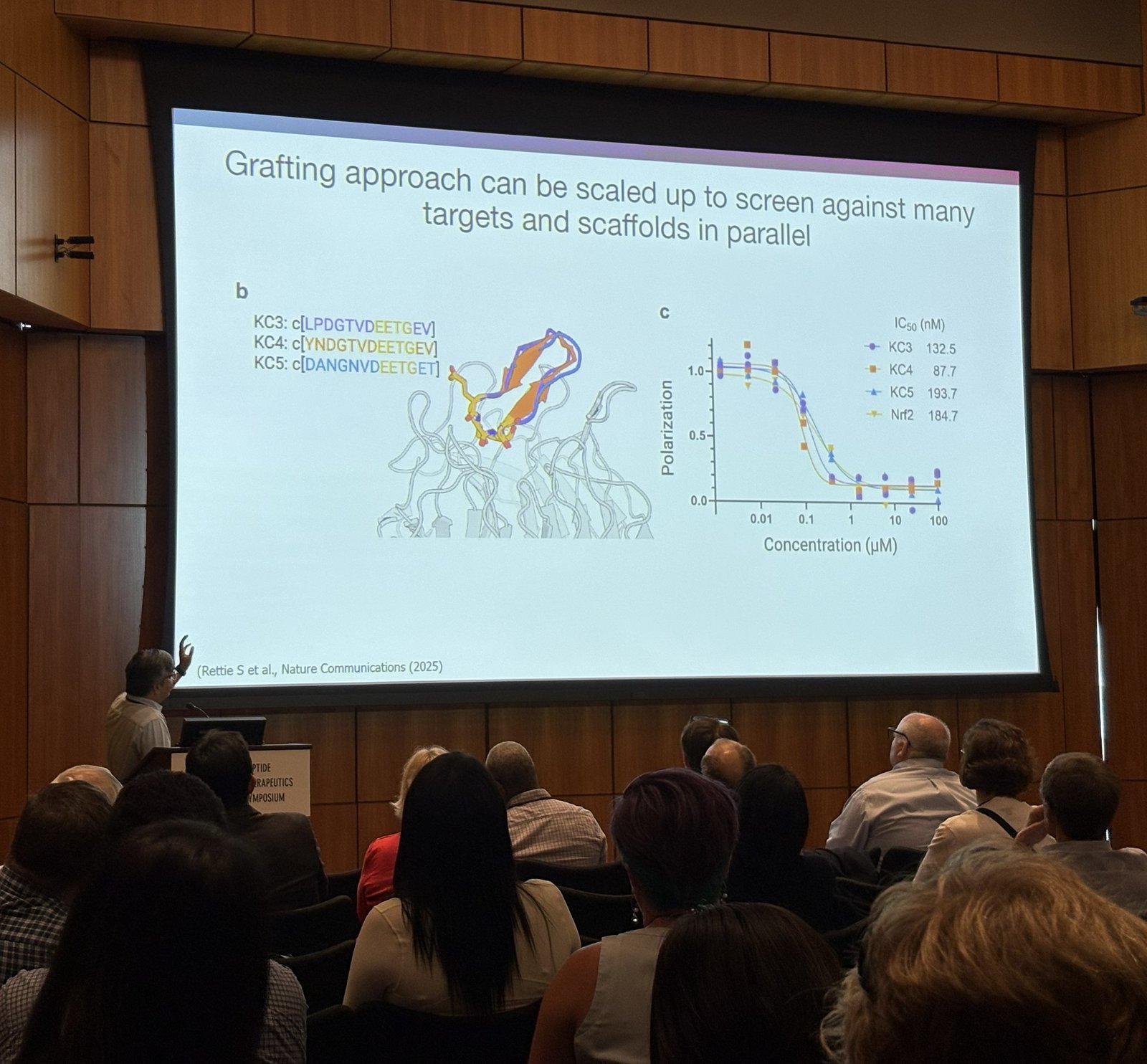
Dr. Ivan Anishchenko (Vilya Therapeutics) and Dr. Gaurav Bhardwaj (University of Washington) presented ML architectures, such as Vilya-m and RFpeptides, that design macrocyclic peptide drugs against historically "undruggable" intracellular and protein-protein interaction targets. By predicting 3D structures and binding affinities directly from atomic geometry rather than standard sequence alignments, these platforms enable rational de novo design of structurally constrained cyclic therapeutics.
Dr. Ivan Anishchenko · Vilya Therapeutics
Dr. Gaurav Bhardwaj · University of Washington
Functional Screening of AI Libraries
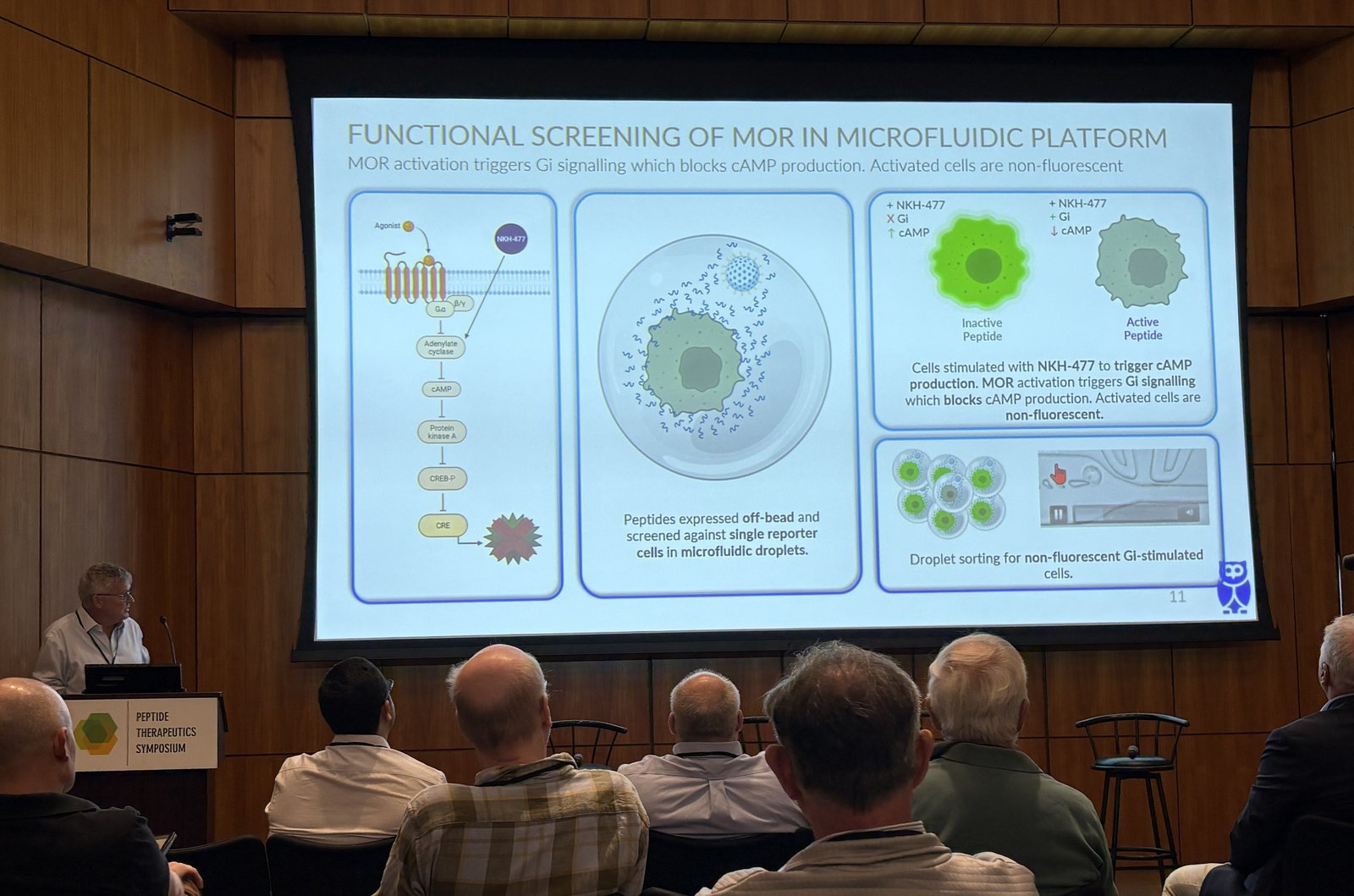
Dr. Neil Butt (NBio Consulting) highlighted the critical bridge between computational design and biological validation. Presenting on AI-designed peptide libraries targeting opioid GPCRs, Dr. Butt demonstrated how applying functional cell-based screening platforms allows researchers to rapidly identify selective agonists while filtering out undesirable side-effect profiles early in discovery.
Interaction-Centric Design
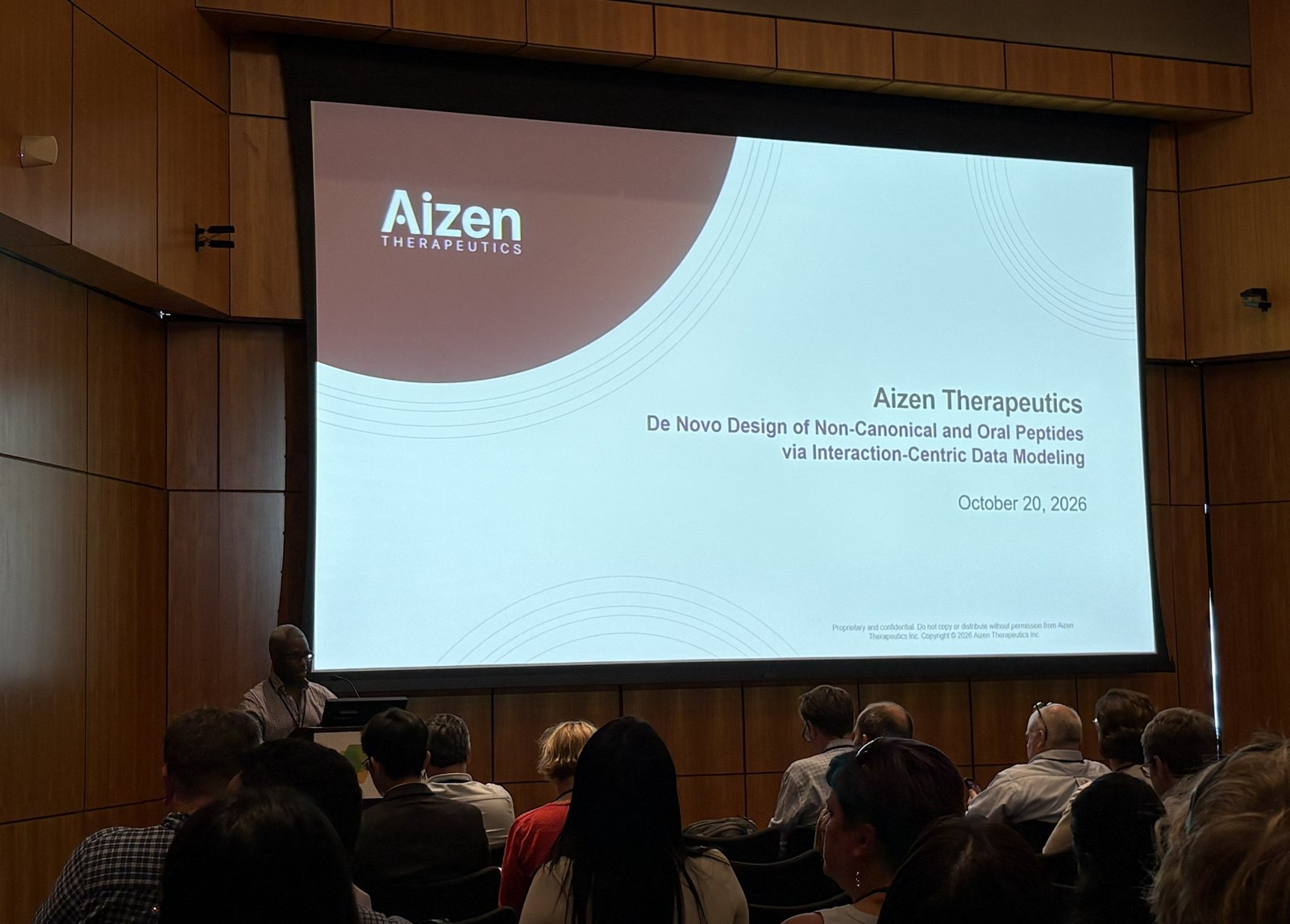
Dr. David Van Valen (Caltech / Aizen Therapeutics) introduced the DaX platform, which utilizes physics- and interaction-centric data modeling to generate orally bioavailable cyclic peptide leads with 97% sequence novelty.
Genetic Code Expansion
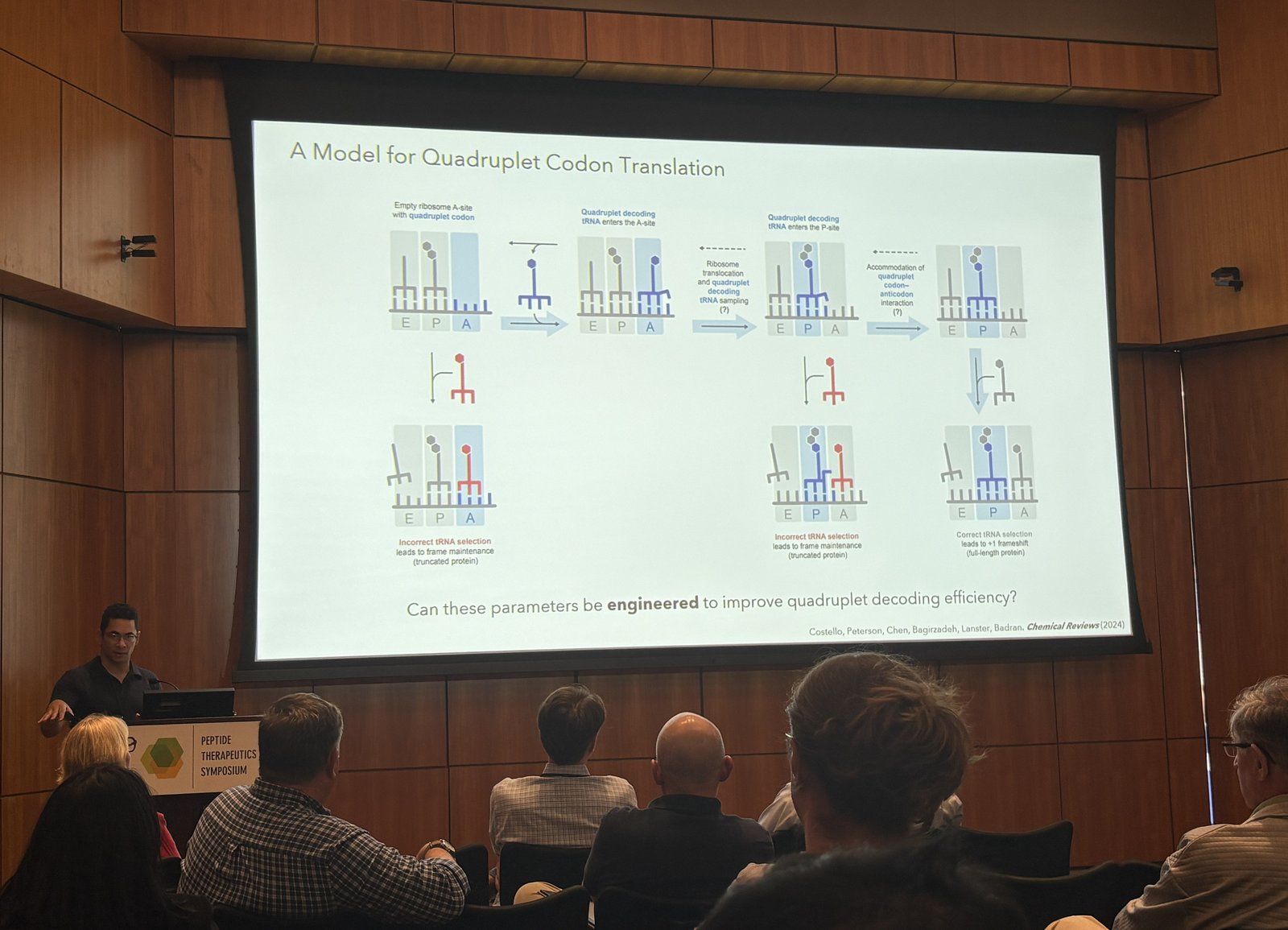
Complementing computational efforts, Dr. Ahmed H. Badran (The Scripps Research Institute) demonstrated how quadruplet-decoding tRNAs (qtRNAs) and compressed codon frameworks allow E. coli ribosomes to translate non-canonical amino acids into complex macrocyclic therapeutic leads.
Bridging Discovery to Clinical Reality: Process R&D, IND Readiness, and Delivery Modalities
As candidate molecules advance toward the clinic, the focus shifts to regulatory toxicology, exposure kinetics, scale-up feasibility, and patient compliance.
Navigating Nonclinical Toxicology & IND Filings
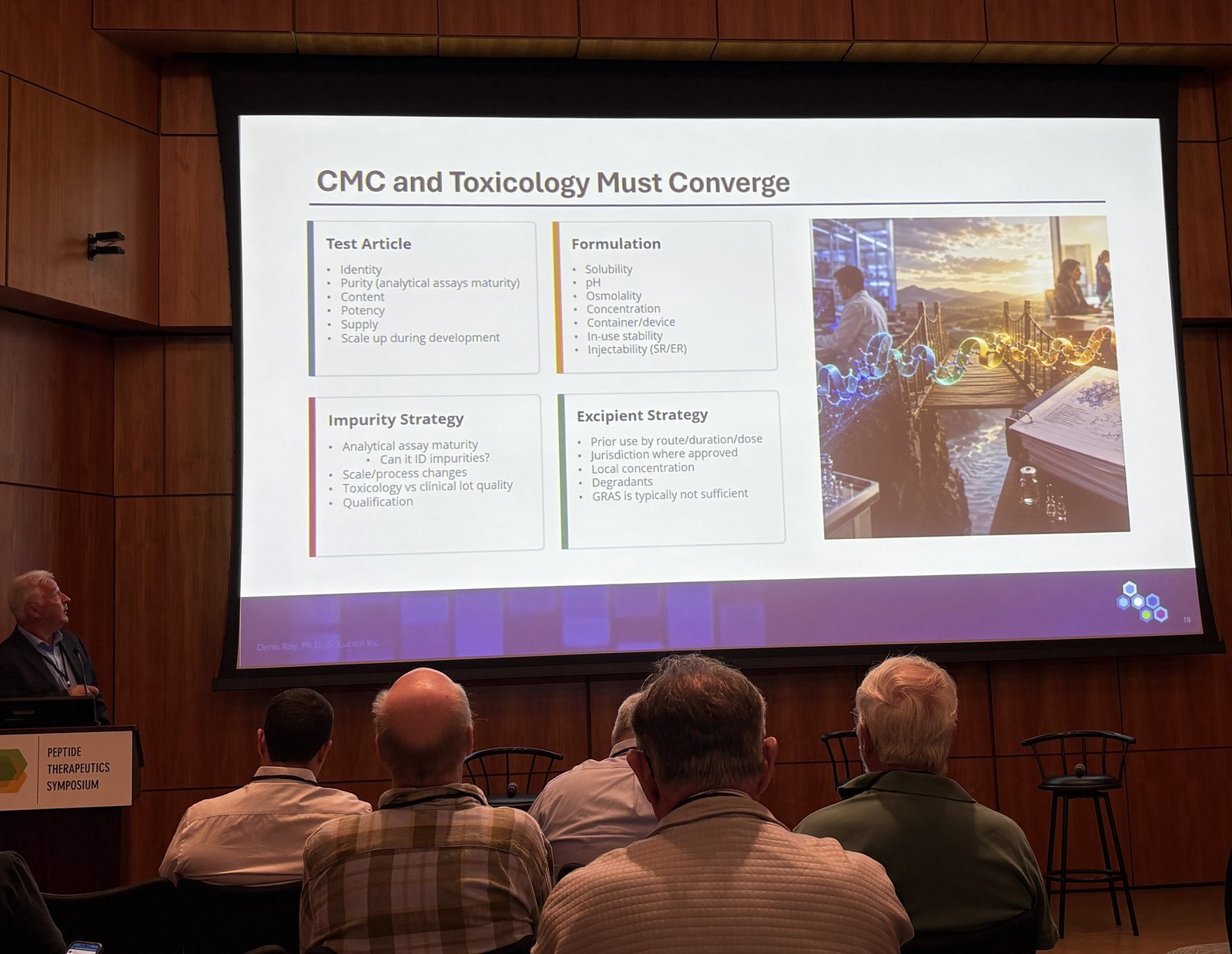
Dr. Denis Roy (SciLucent) outlined the essential nonclinical safety and pharmacology framework required to transition peptide leads into Investigational New Drug (IND) candidates. Advocating a "plan backward, execute forward" strategy, Dr. Roy emphasized how safety margins (ED50 vs. TD50), species-specific receptor relevance, and Chemistry, Manufacturing, and Controls (CMC) must converge to establish defensible starting doses for trials.
Cardioprotective Mechanisms in Heart Failure
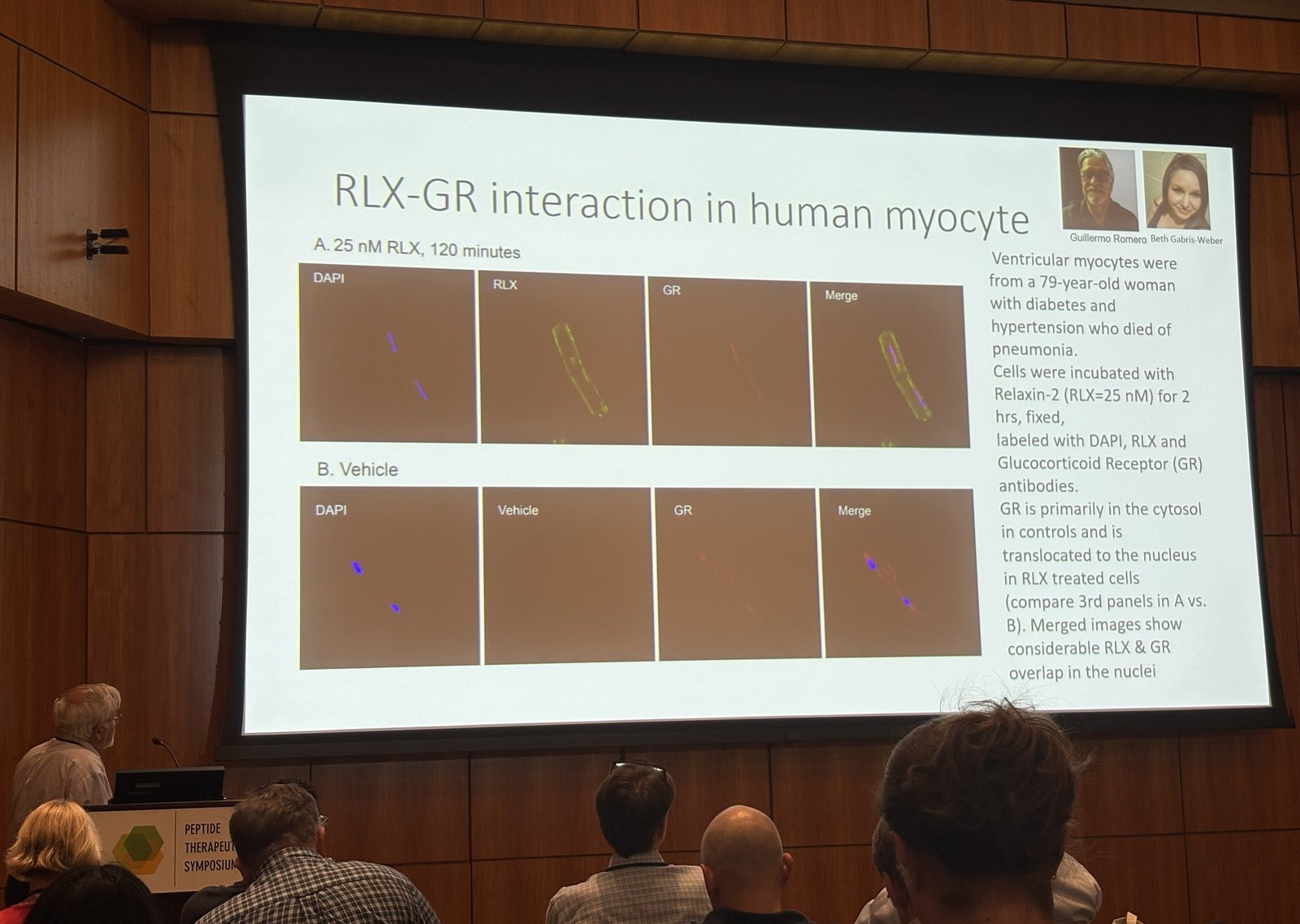
Addressing complex cardiac pathologies, Dr. Guy Salama (University of Pittsburgh) explored the cardioprotective mechanisms of synthetic Relaxin-2 (RLX-02) in Heart Failure with Preserved Ejection Fraction (HFpEF). Dr. Salama detailed how Relaxin-2 engages glucocorticoid receptors (GR) to drive genomic anti-inflammatory, anti-fibrotic, and anti-arrhythmic pathways.
Lung-to-Heart Delivery
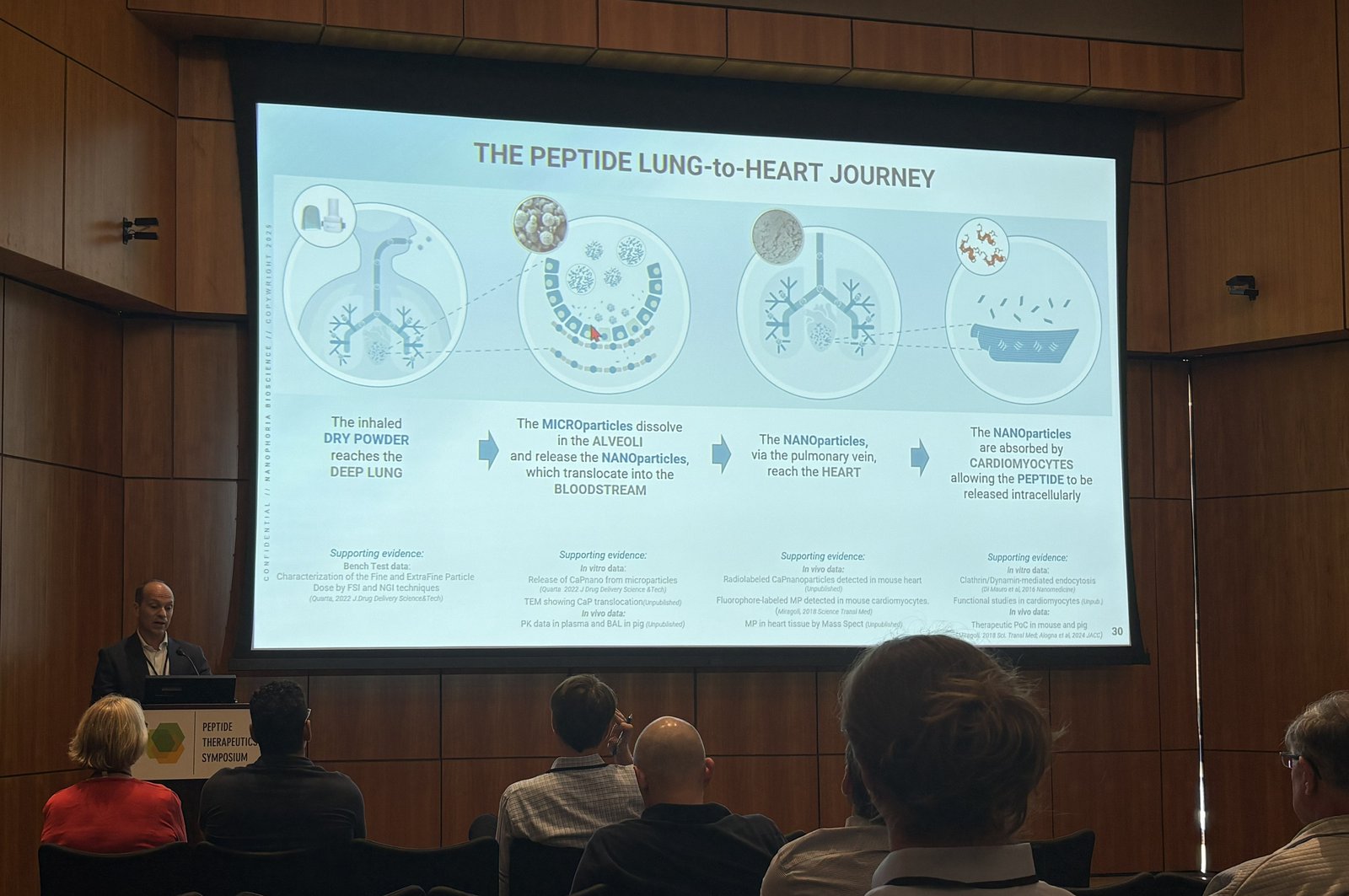
Complementing organ-targeted therapies, Dr. Daniele Catalucci (NanoPhoria) introduced an inhalable dry-powder calcium phosphate nanoparticle platform designed to deliver L-type calcium channel peptide modulators directly to failing cardiomyocytes via the pulmonary vein, bypassing hepatic first-pass metabolism.
Optimizing PK and Dosing
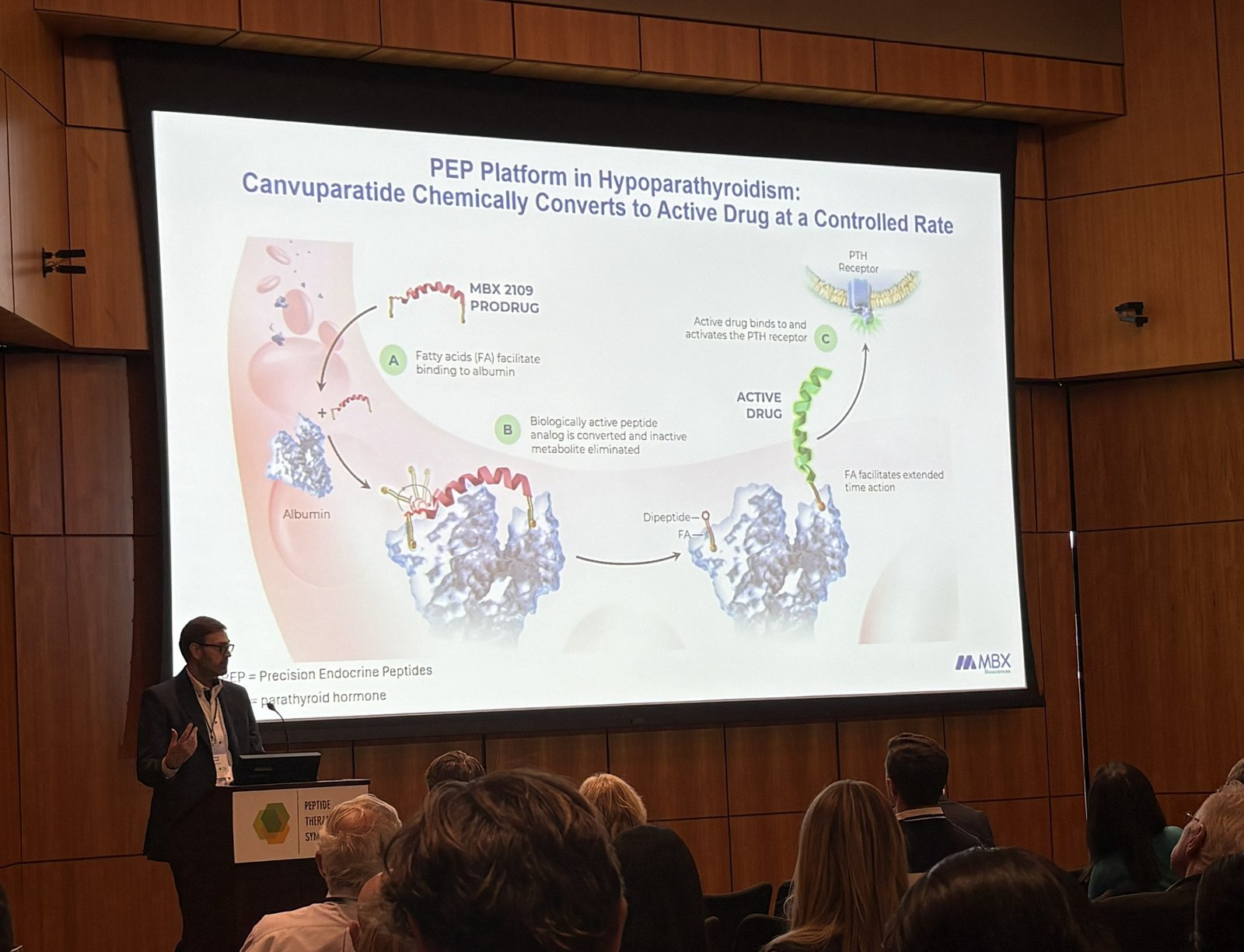
Dr. Mike Hackett (MBX Biosciences) presented the Precision Endocrine Peptide (PEP) platform, detailing how cleavable prodrug chemistry and albumin binding (e.g., canvuparatide for hypoparathyroidism) flatten peak-to-trough ratio fluctuations, enabling once-weekly or once-monthly clinical dosing.
Oral Peptide Delivery
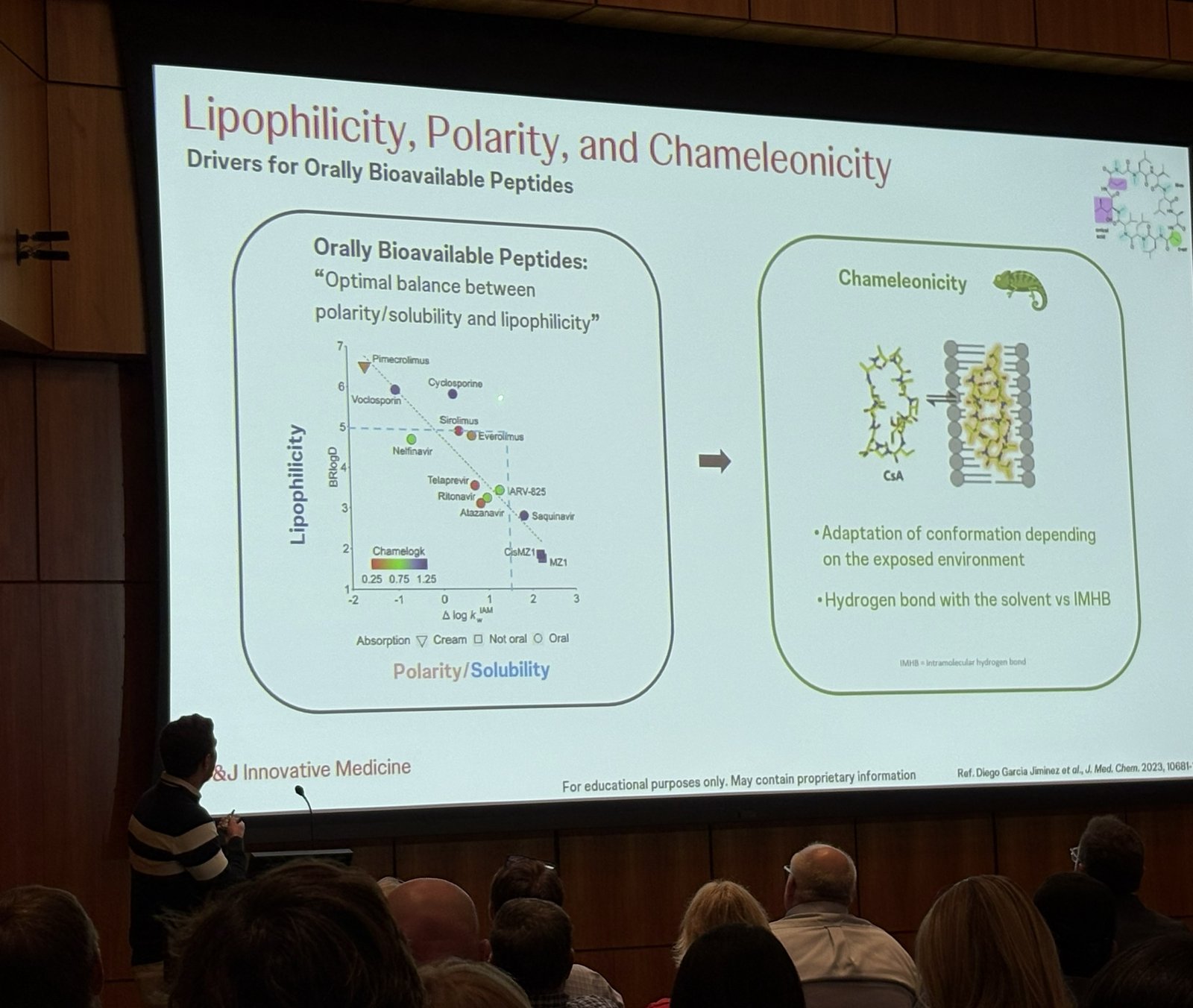
Addressing oral peptide delivery, Dr. Andrew DeMaria (Johnson & Johnson) discussed how leveraging peptide "chameleonicity" (dynamic conformational adaptation) alongside site-specific intestinal enteric coatings helps overcome stomach acidity and mucosal barriers.
Commercial Scale-Up & Biocatalysis
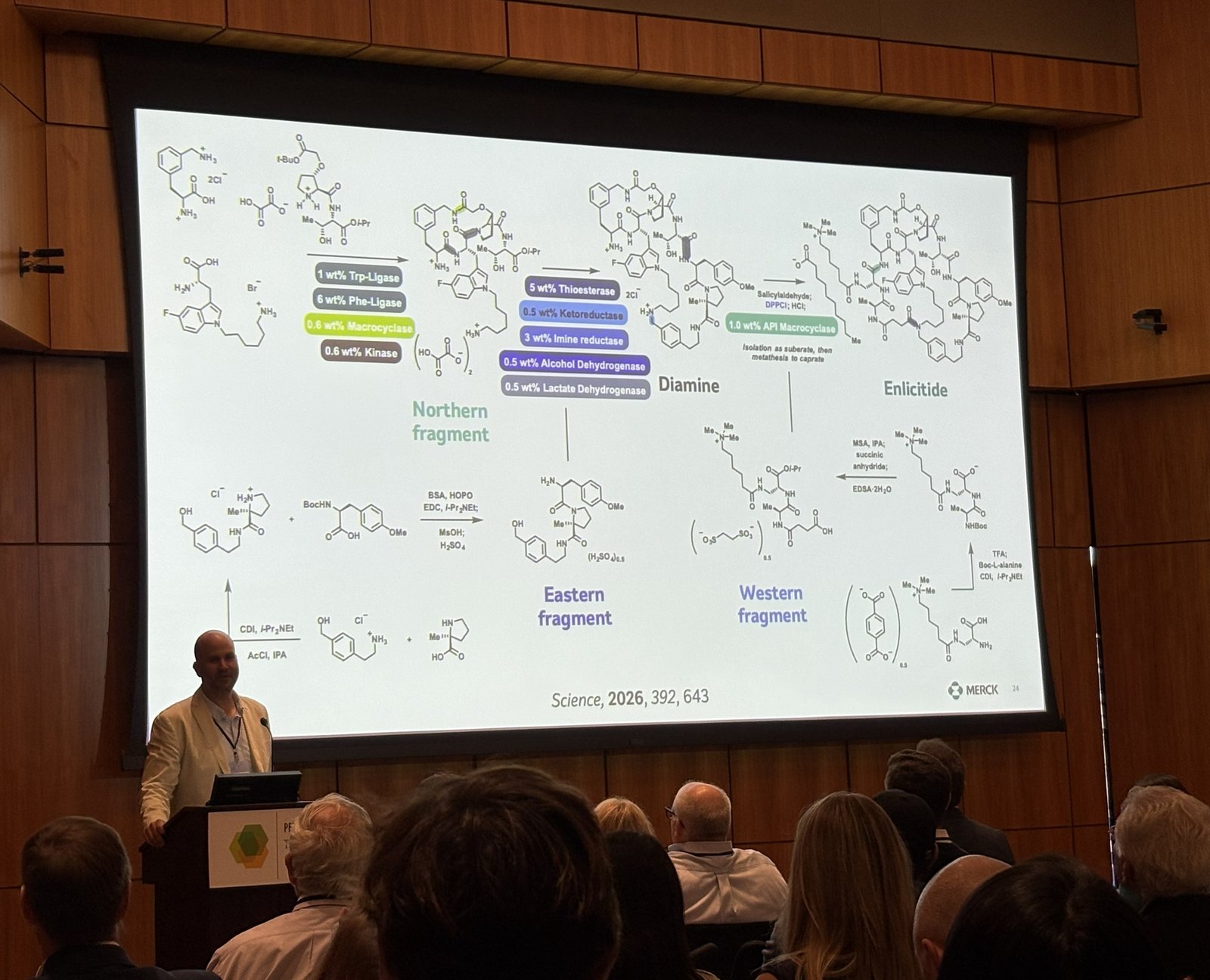
Dr. L-C Campeau (Merck & Co., Inc.) shared an impressive process R&D case study on the commercial development of Enlicitide, a cyclic PCSK9 inhibitor for hypercholesterolemia.
Dr. Campeau explained how Merck developed a 13-enzyme biocatalytic, solution-phase process to eliminate traditional protecting groups and chromatography for commercial manufacturing.
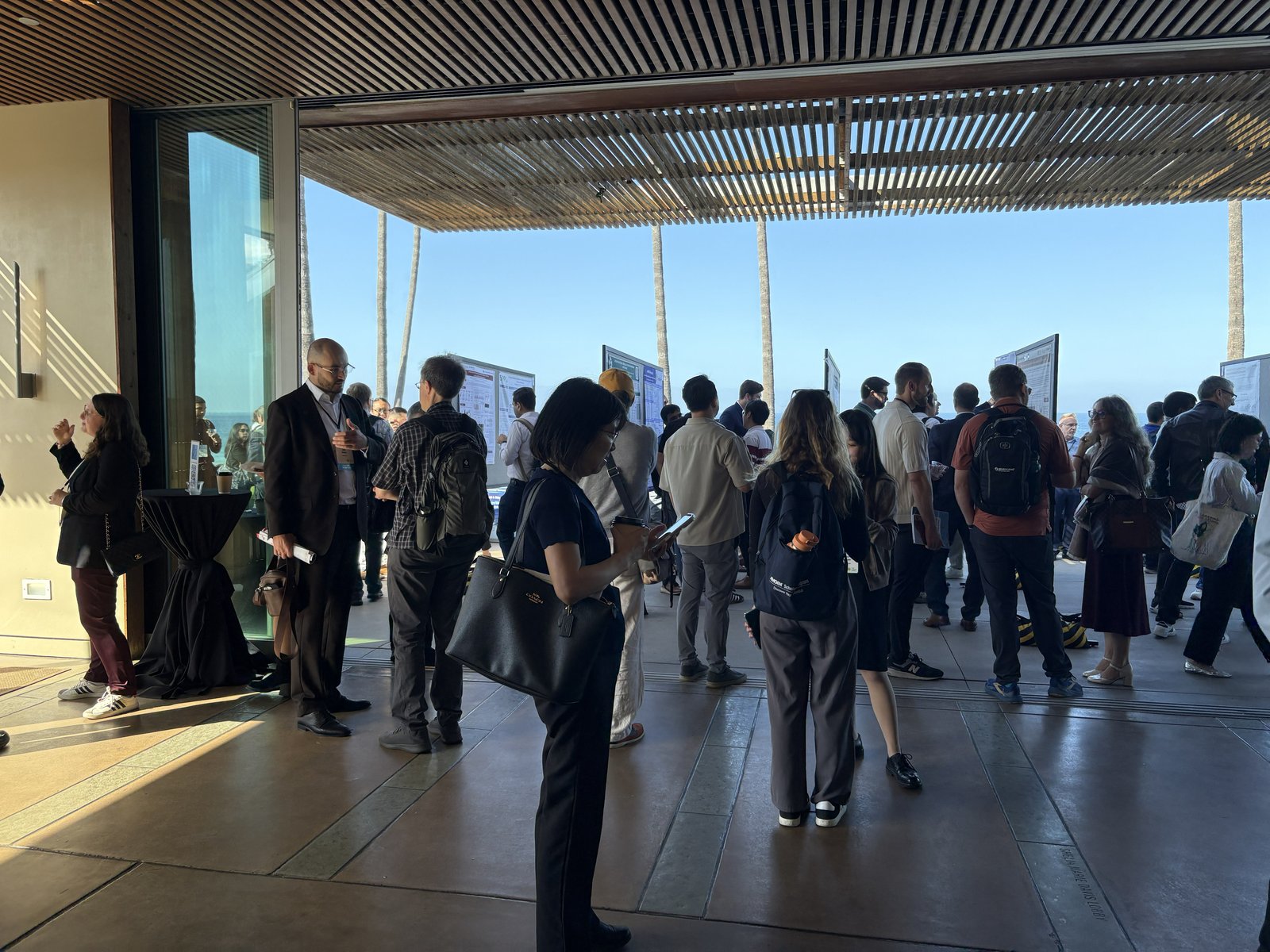
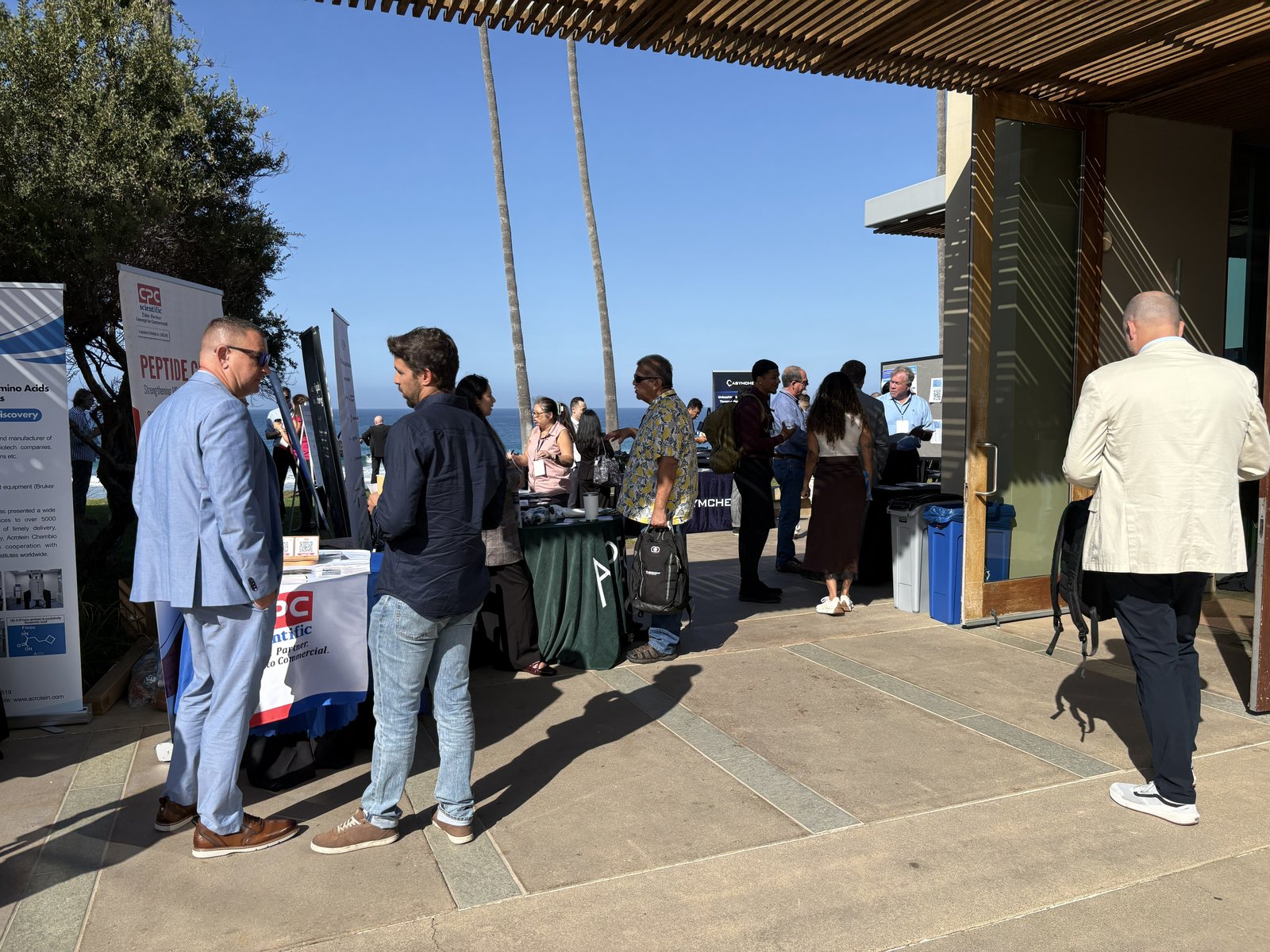
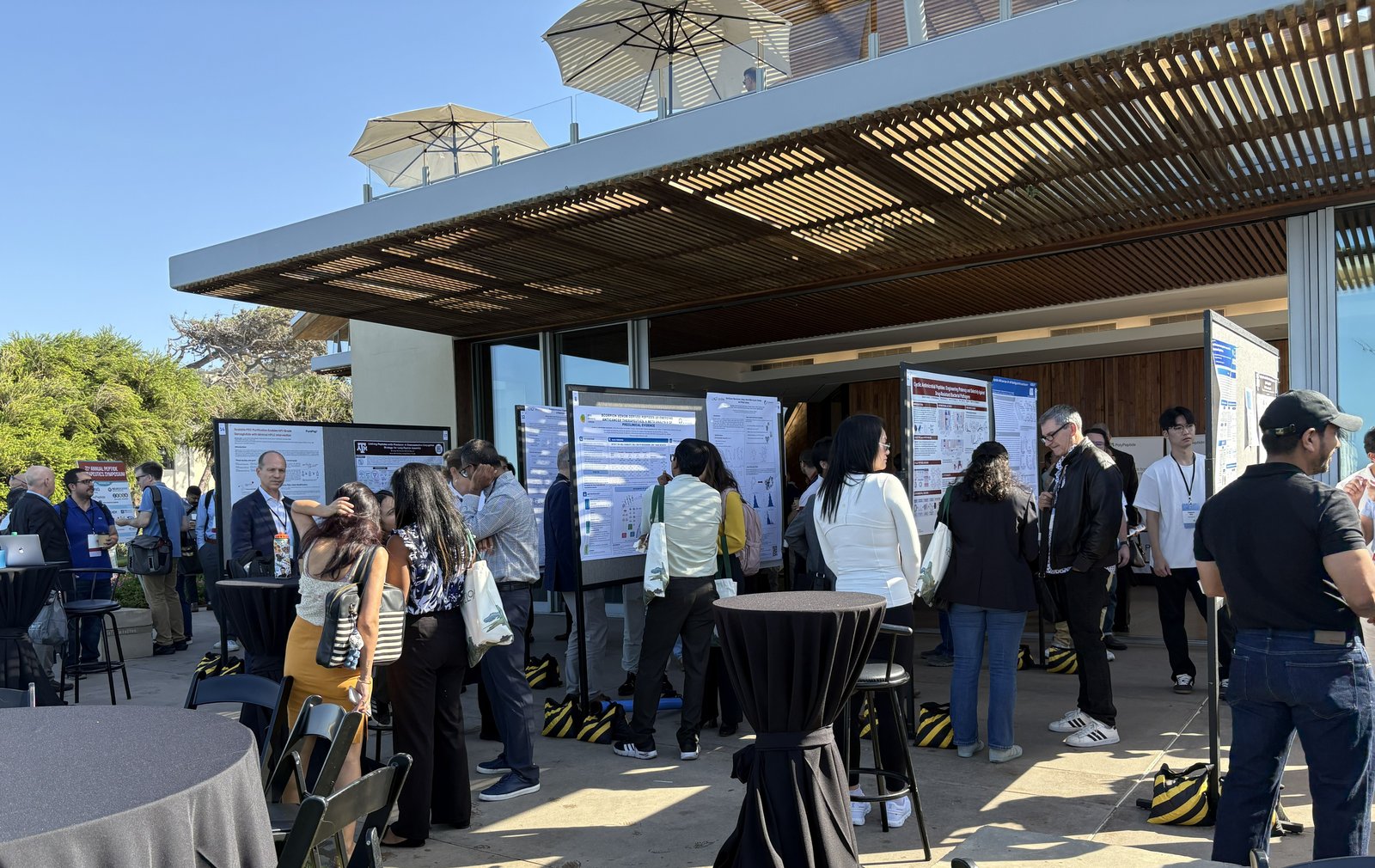
Beyond the formal presentations, the symposium provided rich opportunities for attendees to network, explore cutting-edge research during poster sessions, and connect directly with industry sponsors.
Powering the Future of Peptide Therapeutics
The 21st Annual Peptide Therapeutics Symposium explored the dynamic trajectory of peptide drug discovery and development. From generative computational modeling and genetic expansion to the sophisticated engineering behind multi-receptor agonists and non-invasive delivery modalities, the field continues to overcome historical limitations in bioavailability, selectivity, and stability.
Translating these intricate molecular architectures into clinical reality relies on robust, scalable production methodologies. As interdisciplinary strategies systematically address longstanding biophysical and manufacturing challenges, peptide therapeutics are uniquely positioned to address complex multi-pathway diseases and broaden their therapeutic reach across global patient populations.
The third quarter of 2026 brought notable momentum to peptide drug development, marked by an influx of oral peptide drug approvals, novel inhaled peptide delivery models, exciting advances in personalized cancer vaccines, and a welcome shift of attention toward women's health.
In this interview, James Checco shares his path into chemical biology, how his lab studies peptide-receptor interactions and D-amino acid-containing peptides, and his approach to mentoring independent researchers.
In this resource, we provide an extensive guide enabling users to apply the most widely-used synthetic strategies for SPPS, and helpful hints to avoid some of the obstacles that often lead to expensive mistakes and/or poor synthesis yield.
About Us
CSBio is a leading peptide instrumentation manufacturing company located in Silicon Valley, California.
CSBio provides research scale peptide synthesizers, pilot scale peptide synthesizers, commercial scale peptide synthesizers, and DNA/RNA oligonucleotide synthesizers.